Waste sorting
Fractions that can go to recycling, recovery or further processing are separated from the waste stream.
Find out what happens to part of the waste stream after collection and how it can be used as alternative fuel for industry.
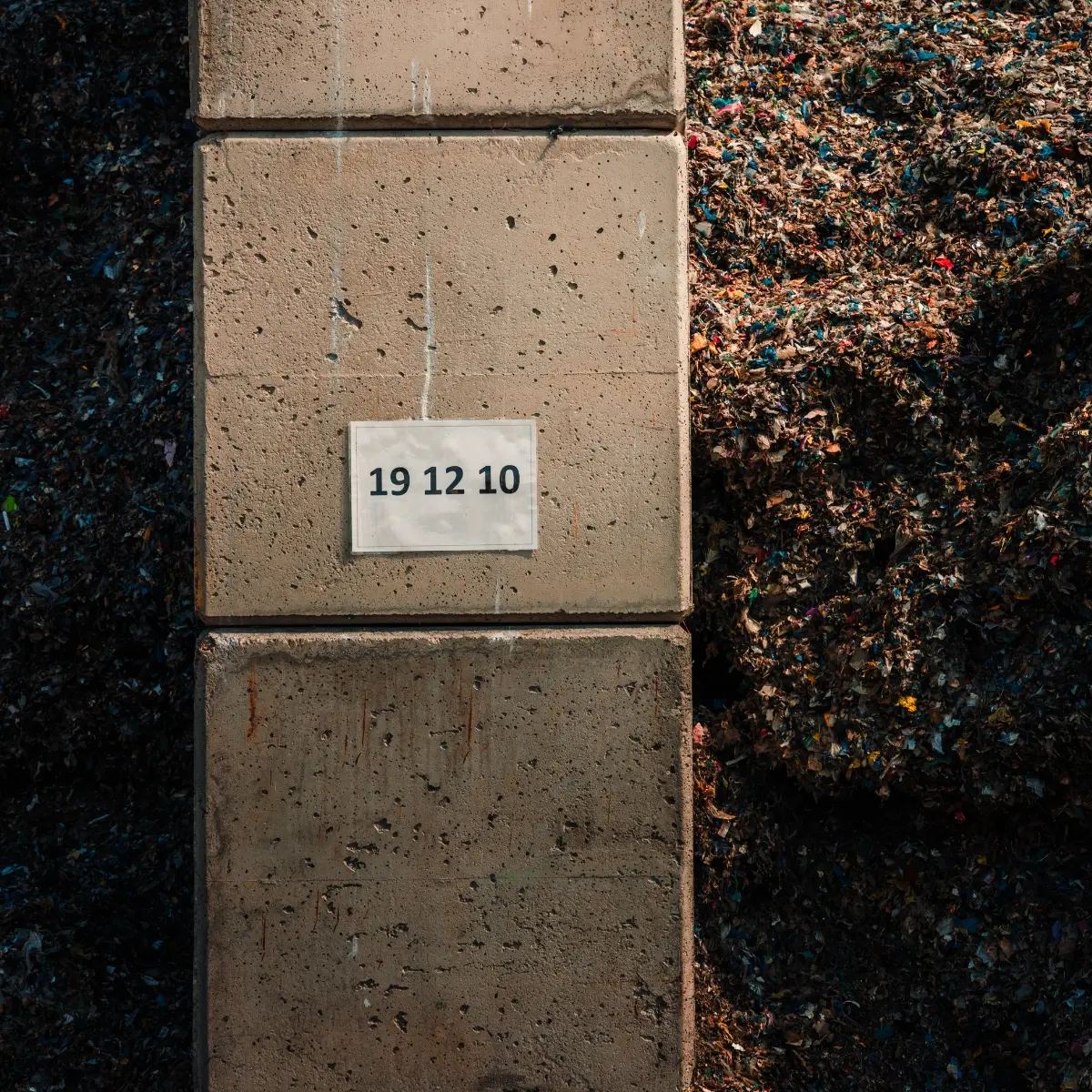
Energy recovery instead of landfill.
For residents, RDF matters because it shows what happens next to part of the waste stream after collection. Not all waste can be reused as a raw material, but after sorting and preparation some of it can be processed into alternative fuel instead of going directly to landfill.
RDF, or Refuse Derived Fuel, is alternative fuel made from appropriately prepared waste fractions.
It comes from waste that, after sorting, is not suitable for material recycling but can still be used for energy recovery. This means part of the waste stream does not go directly to landfill. Instead it can be processed into fuel used, among others, in industrial installations.
For residents this means waste collected from homes can continue to a further process in which part of it is used for energy recovery.
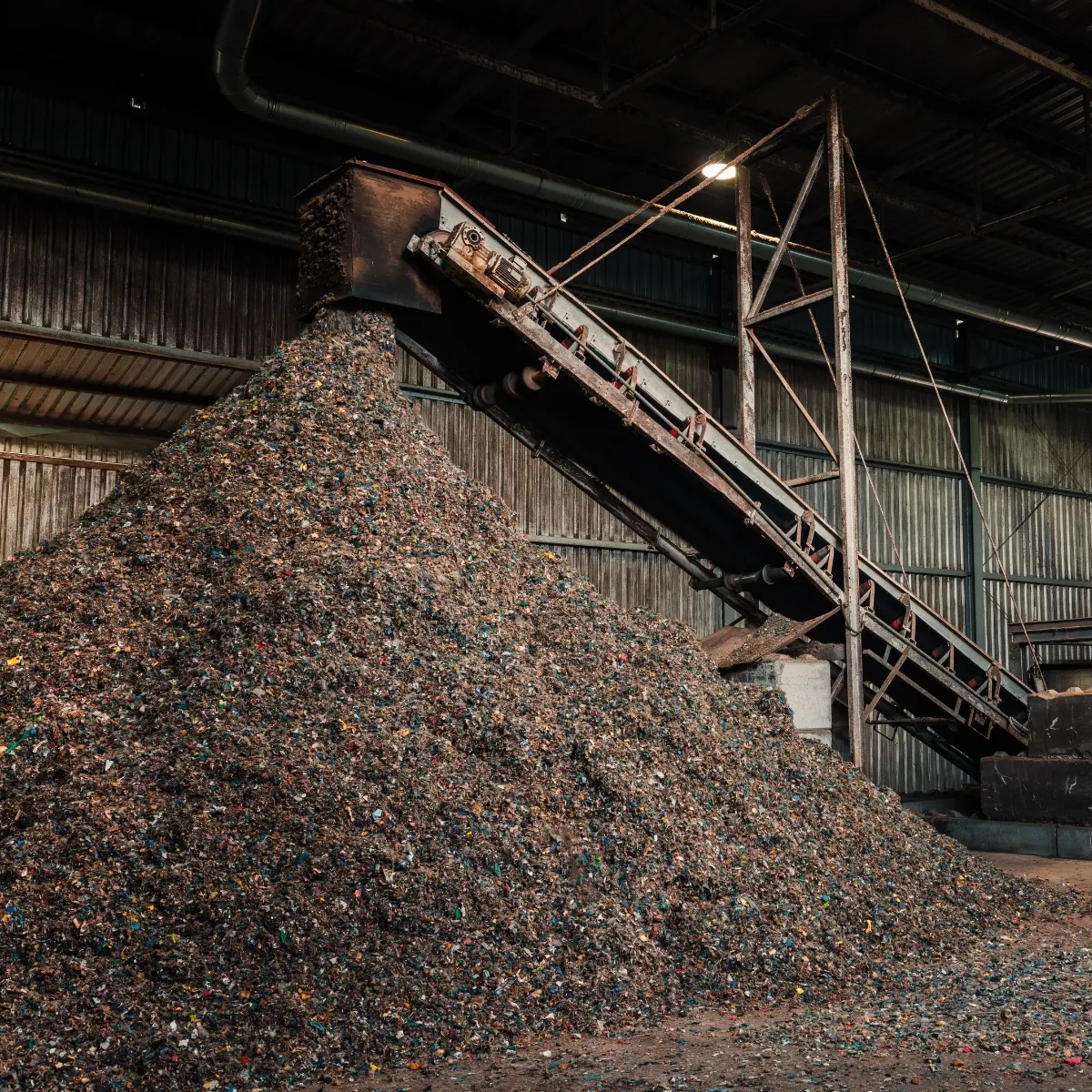
From sorting to energy recovery.
A way to manage fractions that can no longer be recovered as materials.
RDF helps manage the part of waste that cannot go to material recycling but still has energy value. After sorting and preparation, some fractions can be used as alternative fuel.
For residents this means handing waste over correctly still matters after collection. The better waste enters the right system, the easier it is to direct it to the right process.
RDF helps reduce waste sent to landfills and supports use of the energy contained in waste. It is an important part of a modern waste management system.
Not every waste stream can be recovered materially. Where recycling is not possible, alternative fuel can be a way to further use part of the waste.
From receiving waste, through sorting and shredding, to fuel for industry.
RDF production starts with receiving and preparing waste. Waste is then sorted, cleaned of selected fractions and shredded to the right form.
The goal is to obtain fuel with the right parameters that can be passed on for further use in industry.
Fractions that can go to recycling, recovery or further processing are separated from the waste stream.
Selected waste is prepared so it can be used as alternative fuel.
Material is shredded and prepared according to industrial customer requirements.
Finished RDF fuel goes to installations that can use it as an energy source.
A more complete system: from sorting at home to energy recovery of selected fractions.
RDF production shows that waste can continue its journey after collection. Fractions that cannot be recovered as raw materials can be processed and used for energy recovery.
For residents this means a more complete waste management system: from sorting and collection, through sorting at facilities, to further use of selected fractions.
Part of the waste stream can be used as alternative fuel instead of going directly to landfill.
Waste that cannot easily be recycled can be processed into fuel for industry.
Collection, sorting, processing and RDF production continue what starts with everyday sorting at home.
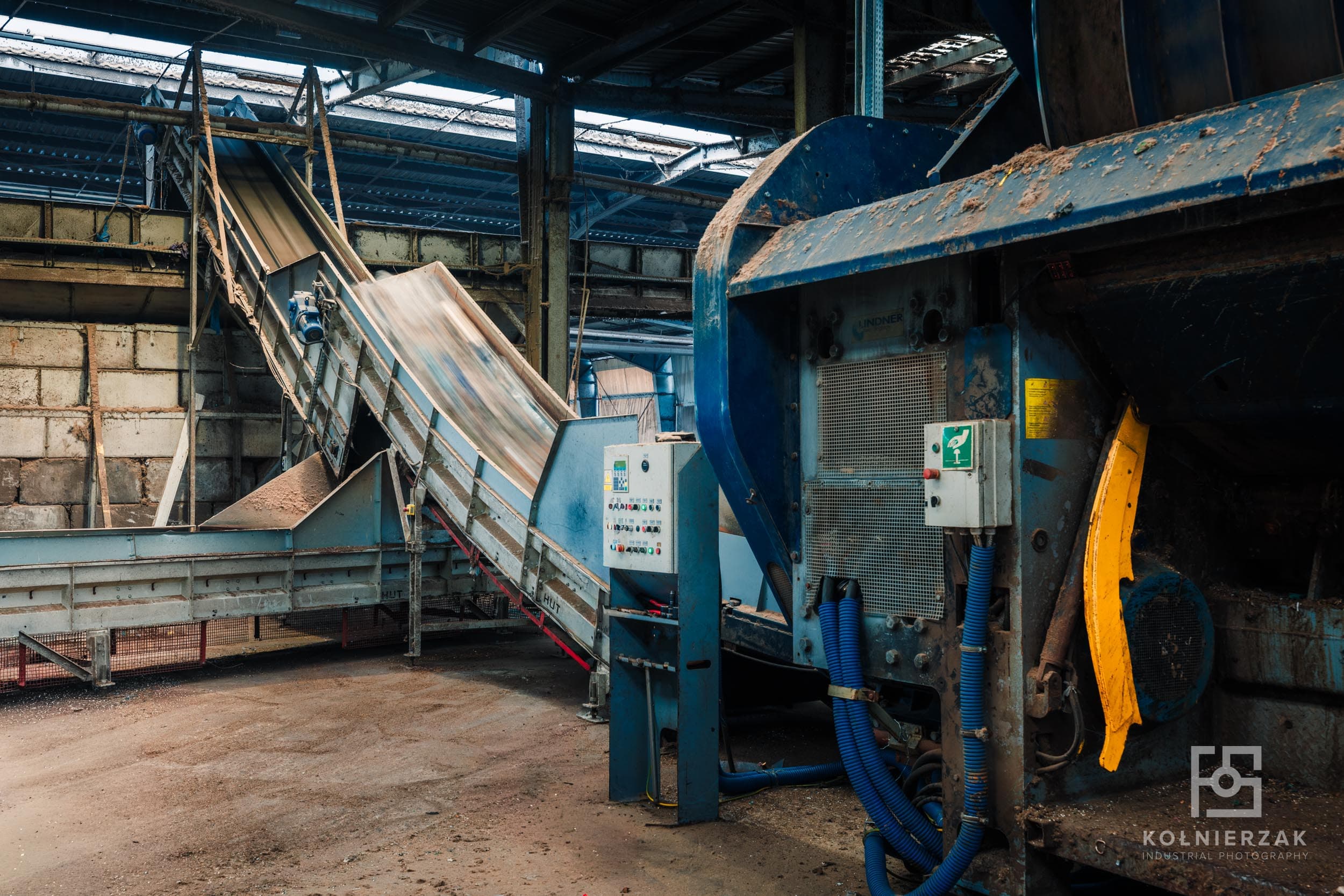
The first step toward the right process.
What RDF is made from
RDF is made from selected waste fractions after sorting and preparation. These are not wastes that residents put in a separate bin, but material separated during processing.
In practice RDF comes from the part of the waste stream that could not be sent for material recycling but can still be used for energy recovery.
RDF production does not mean all waste can be thrown away together. Sorting is still the first step that separates raw materials, bio-waste, problem waste and fractions requiring separate handling.
The better waste is sorted at source, the easier it is to direct it to the right process. Some goes to recycling, some to composting, some to a drop-off point, and only then can remaining fractions be used in other processes such as alternative fuel production.
After collection and processing, waste is directed to further processes. Some goes to material recovery, some to composting, some to alternative RDF fuel production, and the remainder to safe disposal.
RDF is one element of this system. It allows the energy potential of fractions that cannot be reused as raw materials to be recovered.
Alternative fuel production at selected NOVAGO facilities.
RDF production takes place at selected NOVAGO facilities.
The facility combines municipal waste processing with RDF production, biogas energy recovery and green waste composting.
The facility specialises in municipal waste processing and high-calorific RDF fuel production.
The facility supports RDF production and municipal waste processing in the region.
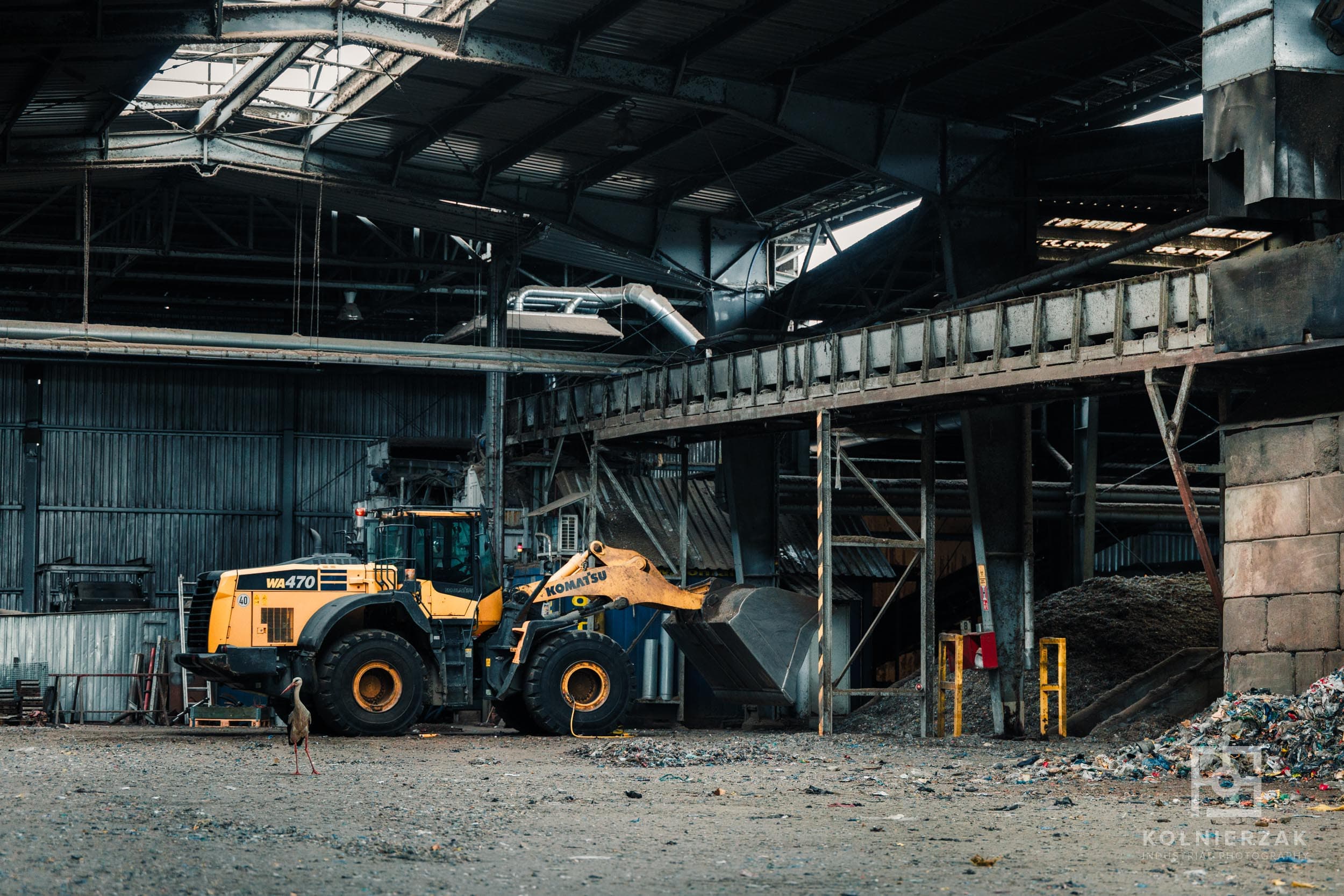
Less landfill, more recovery.
Raw materials first, then energy recovery of remaining fractions.
RDF production is a way to use the part of waste that cannot go to classic recycling. A well-organised system first recovers raw materials, then uses remaining fractions as alternative fuel.
For residents this means a more complete waste management system: from sorting at home, through collection and sorting, to recovery and further use of waste.
From waste that could have gone to landfill, we recover value and give it further use.